Hot Water Limits Australia
Put simply, the rule of thumb for heated water temperature limits in Australia is to keep stored water at 60°C or more as a check on Legionella bacteria, but no more than 50°C coming out of most personal hygiene fixtures. Where there are vulnerable facilities, outlets will have to be set to a maximum of 45°C. Of course, the letter of the law is determined by your state or territory, the type of building and fixture, and the relevant edition of AS/NZS 3500.4 and the National Construction Code (NCC).
I am Rhys Campbell, a Welsh-Australian from Fremantle. In my time writing and running accommodation properties I have seen how a good hot shower can put right a damp morning, and also how an ill-adjusted system is a safety hazard. This guide puts the numbers and the rationale behind them in perspective for the homeowner, landlord or facility manager before they put a spanner to it.
The Main Limits Explained
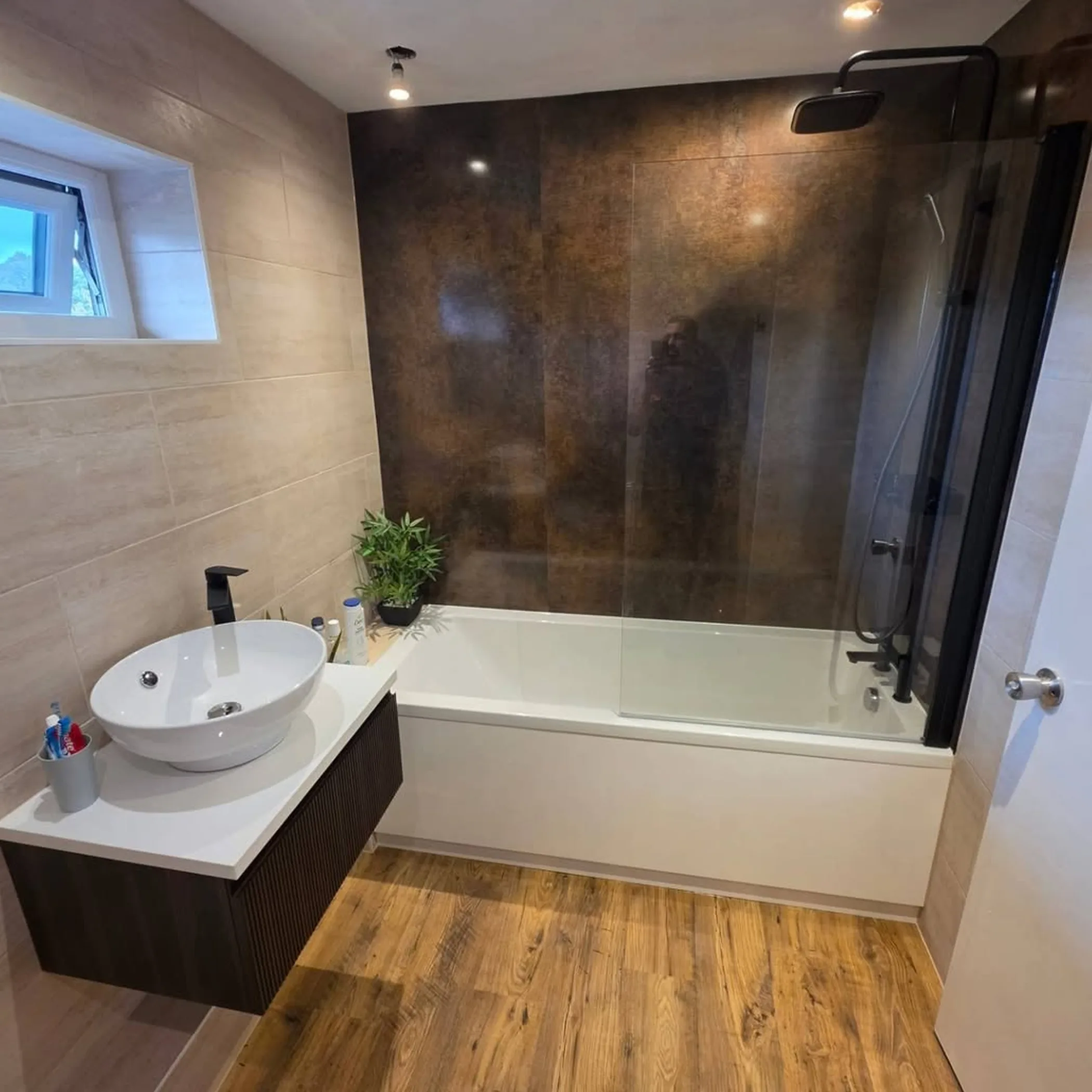
There is a difference in the way Australian hot water systems handle temperatures for delivery versus storage which is where some get tripped up; the tank may have to be considerably hotter than the water you get from the basin or shower.
The following figures are a practical way to make sense of hot water regulations in Australia, including Victoria hot water safety regulations, though one should not take them in lieu of a licensed plumber’s advice or the stipulations for a given building.
| Location/Use | Common Requirement | The reason for it |
|---|---|---|
| Hot water storage | 60°C minimum | To control any Legionella in the stored water |
| Fixtures for general hygiene | 50°C max at point of delivery | Less risk of a scald at the bath or shower |
| Vulnerable facilities | 45°C max | For the protection of those at greater risk of a serious burn |
| Kitchen and laundry | Varies | Practical use and cleaning may call for higher heat |
| Boiling water | 100°C or so at sea level | Will do severe damage in a hurry, never to be mistaken for a safe tap temperature |
Tap Versus Storage
You would not want a shower running at 60°C even if that is the temperature in the tank. The outlet and the storage vessel are two different things. With a thermostatic mixing or tempering valve to put some cold in with the hot, the system is able to offer a compromise: the tank is hot enough to stifle bacterial growth yet the water is cool enough at the fixture for safe use. Much as one would keep the billy properly hot without pouring it over one’s feet.
On Storing Hot Water
Requirements in Australia for hot water storage are usually about keeping it at 60°C plus. You may come across systems said to run in the 60–65°C range in the tank, but the setting is a function of the installation and controls.
Legionella has a habit of multiplying in warm water systems that are not well managed and this is something to consider beyond just the large apartment block. Hotels, hospitals, schools and retirement homes with their long pipe runs and outlets that do not see much use are also at risk.
Why 60°C?
A minimum of 60°C in the tank is for Legionella control. It is not a blanket assurance of safety in a plumbing system with dead legs, poor circulation or faulty controls. And because higher storage temperatures are more likely to scald, the water is best mixed down for the bathroom. One might be tempted to bypass the mixing device for a hotter shower but it could mean the system is no longer in compliance.
At The Tap
Rules for the maximum hot water temperature at the tap in Australia are largely concerned with personal hygiene. In a typical residence, 50°C is the ceiling for what is delivered to the shower, bath or basin.
This limit is there for scald prevention. But it is not a figure to be applied across the board to every outlet, such as in the kitchen or laundry; the building classification and local NCC adoption will dictate that.
Fixtures Covered By The Limit
And when it comes to the fixtures covered by the limit, i.e. the showers and basins for washing, a shower that is only warm to one person is capable of injuring another, be it an elderly person, a child or one with less sensation. One should not make the same of every outlet in the kitchen or laundry; being used for cleaning, washing and food preparation they warrant a different approach. It is not enough to put them all at an identical temperature and consider the matter compliant. Get a licensed plumber to put the outlets to the test and tell you which are covered.
The Case for Tempering Valves
Regulations in Australia are in place since the operating temperatures called for by a safe bathroom outlet and a hot storage tank are not one and the same. A tempering valve will mix the hot and cold to limit what is put downstream. In some applications a thermostatic mixing valve is more responsive but does the same kind of safety work. They both have to be installed, adjusted and maintained as they should be. An impressive looking valve on the day it was put in is of little value if it has been left unattended, set wrong or has seized up.
Valve Issues
It is a mistake to think a tempering valve is good for life with no inspection. Performance can be compromised by scale or debris, worn parts, water pressure and so on. Then there is the possibility of a correct installation being made to the wrong fixture. Put a dependable thermometer to the outlet to measure the temperature, do not rely on your hand. See that the valve has not been tampered with or isolated and is readily accessible.
If there is a complaint of scalding, or after plumbing has been done and the temperature has been swinging, have it serviced. For care settings, rental and workplace properties keep a record. And if in any doubt as to what outlets a valve governs, do not be making casual adjustments; a minor one can be felt in more than one bathroom. Engage a licensed plumber, especially where there are children, the elderly or disabled persons in the property.
Dealing with Two Risks
Hot water rules are a way of managing the hazards of scalding at point of use and of Legionella bacteria in the water as it is stored or circulates. To increase one form of control at the expense of the other is to invite trouble. Water from the tap that is too hot can burn, while stored water left cool for an extended period raises the risk of bacteria. There must be sound temperature control at the outlet as well as the storage.
Scalding is swift
How bad a burn is will be down to the temperature, how long the contact is, the person’s skin and his ability to get away from it. A toddler has no notion of the danger in very hot water. Reactions can be slower in an older person. One with diminished sensation may be slow to register it. The 50°C cap on delivery is a safety measure, not something to be put up with. In vulnerable facilities there is a 45°C limit for an extra margin. This is no substitute for proper supervision and maintenance or the sensible design of fixtures.
System Control for Legionella
Biofilm, pipework, system design, stagnation and the temperature of the water are all factors in Legionella risk. You cannot make up for poor maintenance or a plumbing shortcoming with a 60°C setting on the tank. A large or complicated system calls for a water management plan on paper. Specialist input is advisable for high-risk sites like healthcare or aged care, as opposed to a routine household check.
Local Rules in the States
While Australian states and territories follow the national building and plumbing frameworks, the way they are enforced and the guidance given is not uniform. So when it comes to legal hot water temperature in QLD or the regulations in NSW, the answer will be found in the circumstances of the building and its location. A state rule or tenancy requirement may put a finer point on the safety figures common to the rest of Australia. Do not be guided by a neighbour in another state over matters of plumbing law.
What the Standard Says
Many installations will look to the NCC and AS/NZS 3500.4. Whether the work is an alteration, new build, replacement or maintenance will also dictate the requirements. Turn to the authority in the state or territory for the latest word. Those wanting to know about hot water safety in Victoria would do well to review the Victorian government and regulator material and then have a licensed professional verify the installation. The Victorian Building Authority puts out some good official information to start with, provided it is read in context of the property.
Vulnerable Sites
In places such as schools, early childhood centres, healthcare and aged care, the rules tend to be more exacting. A misjudgement with the hot water can have more serious repercussions for some.
A 45°C maximum delivery temperature is called for in some environments with personal hygiene fixtures as opposed to the 50°C one would find as a general rule. But the building and the fixture will dictate the application, so it is best for facility operators to seek site-specific counsel instead of making do with what they read on the internet.
Who requires that extra margin?
One thinks of children, the elderly, those with disabilities or hospital patients; they are less able to voice discomfort and may have slower reflexes or be less mobile. While a lower outlet temp is of some help, staff must still be there to supervise and testing should be done as a matter of course.
Residents and their families are entitled to put some questions to the operator: who is responsible for the hot water system, how frequently are the outlets put to the test, what is the procedure if a valve goes? There is no need to make a fuss of it, yet a shower that is not up to scratch is a safety concern.
Safe Homeowner Checks
There is a way to check your system without getting at the plumbing or opening the water heater. A basic observation can point to a problem even if it does not prove compliance. Let the outlet run until the temperature has stabilised and take a reading with a thermometer. Make sure to try the bath, basin and shower in turn, a fault in one will not necessarily show in another.
Safe Homeowner Checks
Any abrupt change in the heat, a shower that will not settle or scalding water once another tap is on could be down to a bad tempering valve or some other plumbing defect. For heaven’s sake, do not go around bypassing a mixing valve or tampering with gas and electrical controls. With the heat and pressure involved in a water heater an improvised screwdriver and overconfidence are not the recipe for the most economical repair.
The Logistics Of Repair
A plumber will want time to inspect the heater and the various outlets, test them and put you in the picture about the repair. In an apartment plant room or a confined laundry access is not always easy, so clear the way and let him know of any recent work or of older occupants and tenants before he arrives.
Then there are the costs. They are not the same everywhere and will depend on the parts, the access and whether one is talking a valve replacement or a minor adjustment. An emergency call out or after hours work will set one back more than a weekday visit that is planned for. Get a quote in writing first.
Where To Start
To make a day’s work count for safety, attend to the outlets used for washing and bathing. See if the tempering valve is in order, have a professional verify the storage temperature and look into any report of uncharacteristically hot water. In a rental the onus is on the landlord or agent to put things right; the tenant should not be making adjustments but reporting any water that is dangerously hot. For properties with vulnerable residents, get it professionally tested and on record.
What One Might Expect And What Is The Case
It is tempting to think a hot water system is set to one temperature. In fact the delivery, circulation and storage will not be the same and the controls needed at each outlet can vary. Or that a hot shower is of no harm so long as it is comfortable. Comfort is subjective and a child or visitor is at more of a risk. A new valve is not a permanent fix either; it calls for proper commissioning and maintenance.
Frequently Asked Questions
Homeowners have these queries when a property is put on the market or a tank is too cool and the shower too hot. The answers below are straightforward enough but the installation warrants a local eye.
Current Water Temperatures In Australia
You will not find a figure that applies across Australia for stored or tap water; it is a matter of the season, climate, pipe length and how the heater is set. Regulated systems for ordinary personal hygiene fixtures will see a minimum 60°C in storage and delivery of no more than 50°C, 45°C being the norm in vulnerable facilities.
Is 50°C Too Hot?
By the safety standards common in Australia it is for many bathroom basins, baths and showers. In certain facilities the cap is 45°C. Anything from 60°C upwards is liable to cause serious scalding and should be mixed or left in controlled storage.
QLD Legal Temperature
The rules of plumbing and building in Queensland and the classification of the building are what matters. A licensed plumber or the appropriate authority in Queensland can tell you the requirement for your installation. For residential use 50°C is the usual maximum for delivery, 45°C in vulnerable settings.
Boiling Point
At sea level water boils at 100°C. Elevation will bring that down but it is still going to burn you badly. Do not compare it to a safe basin or shower.
Turning The Tank Below 60°C
Leave the storage setting alone unless a professional says otherwise. You need 60°C to control Legionella, the tempering valve will see to the rest at the outlet. Should the water be too hot at the tap then have the control equipment seen to, do not just cool the whole tank.
Putting The Numbers Where They Belong
In Australia the limits for heated water are plain: 60°C and up for storage where necessary, 50°C for the general run of personal hygiene fixtures and 45°C where the rules cover vulnerable people or premises.
Have a licensed plumber put the system through its paces, document the work and confirm the tempering valve after you have reviewed the NCC, AS/NZS 3500.4 and state guidance. The idea is for the hot water to be adequate for the task and not have one end up in hospital as part of the morning.
