Let the water run
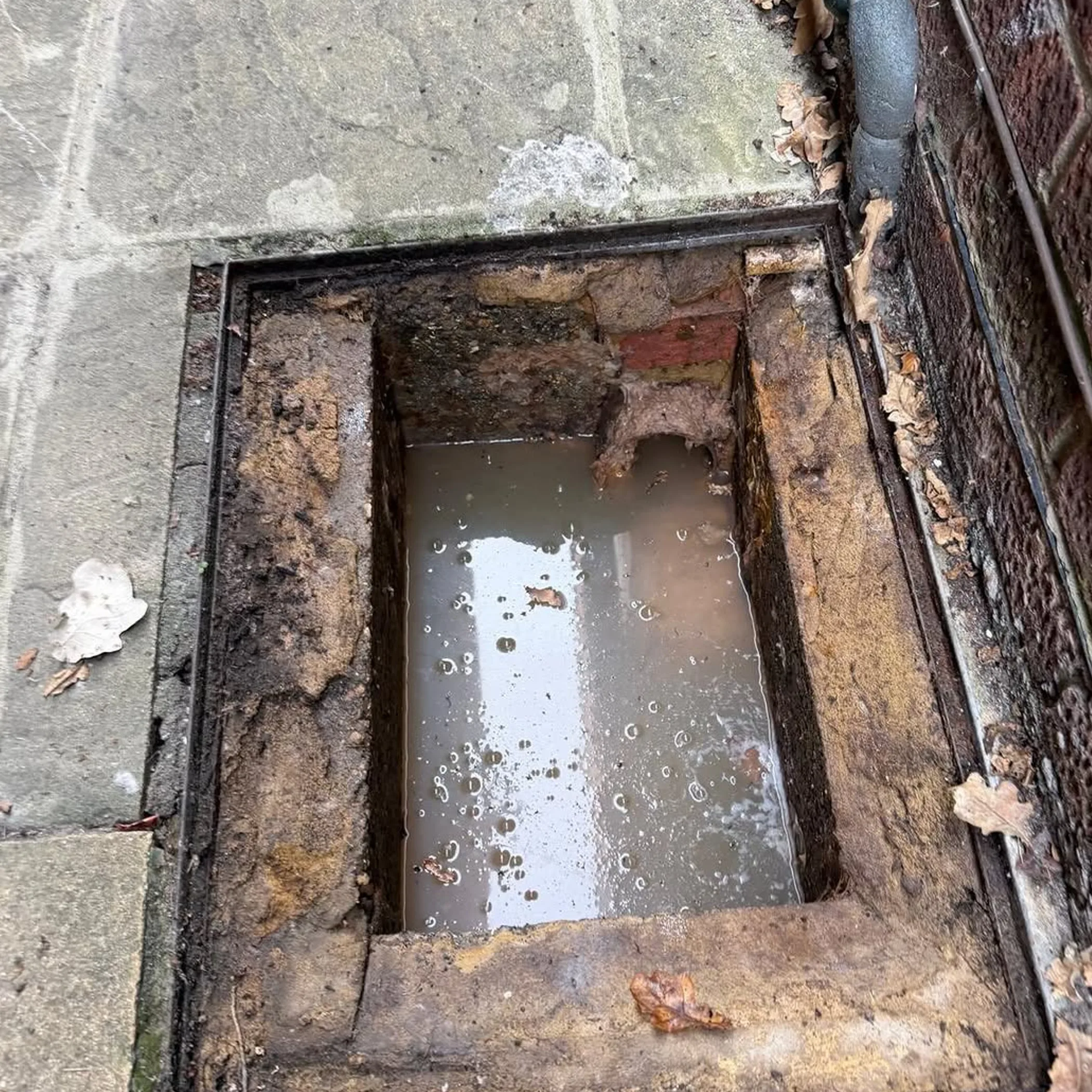
There is no need for your roof, garden beds, walls or foundations to suffer water damage that could have been put off with some attention to the stormwater drains. With a little routine work on the gutters, downpipes and drain grates you can head off a blocked drain before it becomes an expensive call to the plumber.
Rhys Campbell here from Fremantle in Western Australia. Between the salt air and winter rain and all the leaves the wind puts down, one might as well be doing contact sports out of doors. The rule of thumb is to have a look at your private drainage ahead of any wet weather and put right what you can see; if it is an underground issue then get a licensed plumber.
The Importance of Drain Care
From the dry spells to the deluge, the stormwater systems across Australia have to contend with tree roots, sediment, shifting ground and the like. When things are in order, rain comes off the roof and is channeled via the downpipes and pits to a council connection or other lawful discharge point. This is useful when comparing sewer and stormwater issues.
But should the system not perform, you will have water pooling by the house, seeping into the garage or making short work of your paving. Put a bit of a blockage in a drain on a bad day and the driveway will be a swimming pool of sorts. Fine for the ducks but not something you want on the carpet.
Doing the Math
Consider this: a millimetre of rain on a square metre of roof equates to a litre of water more or less. So a 150 sq m roof under 5 mm of rain will put out 750 litres of runoff, evaporation and splash aside. It is easy to see how a covered grate or obstructed downpipe can make quick work of causing a problem. In the north where cyclones are a fact of life from November through April, or with the winter fronts in the south and the summer storms, maintenance is all the more necessary.
Residential Systems
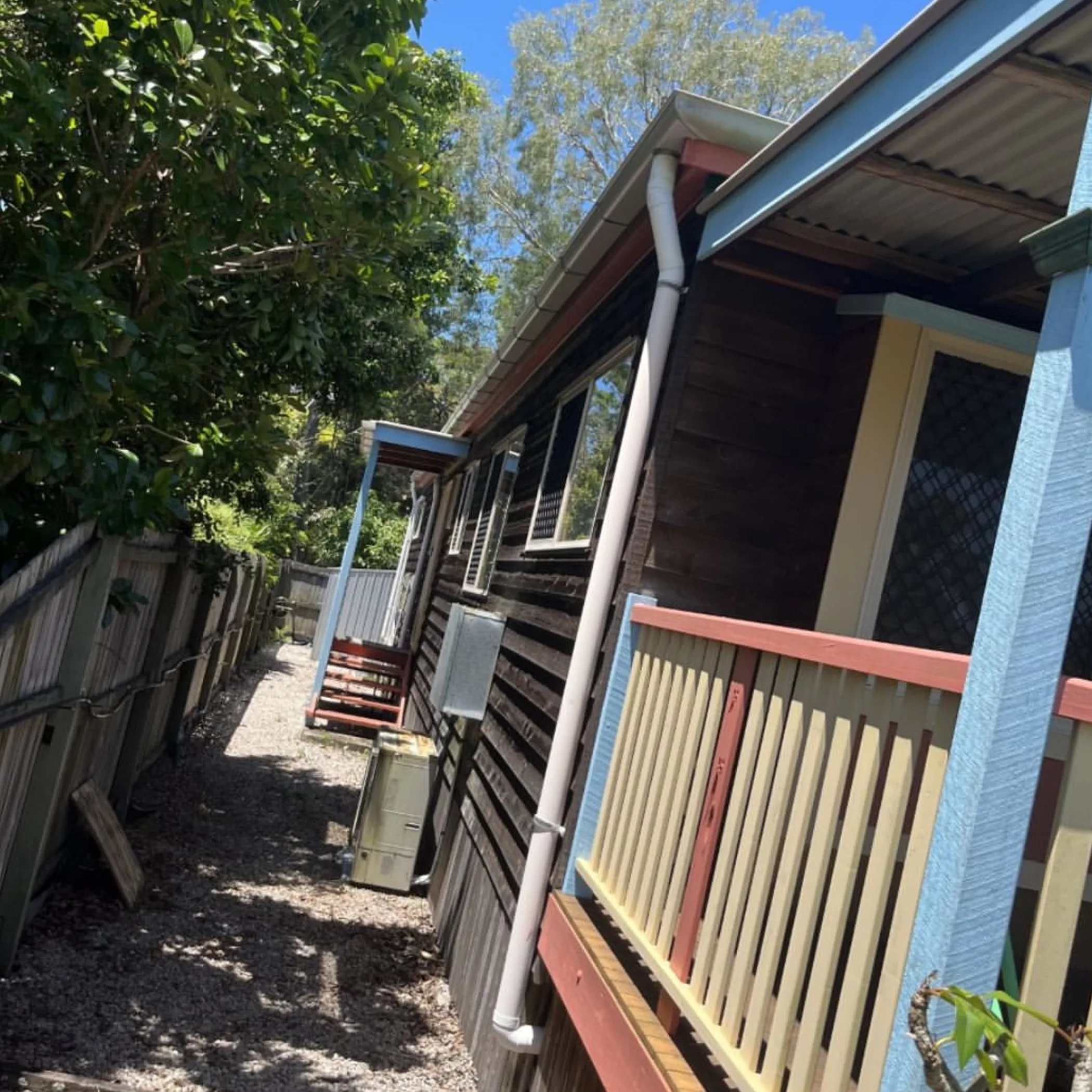
For the most part a residential setup starts at the roof. Gutters do their job of collection, downpipes take the water down and from there PVC pipes or inlets carry it over the property to an easement, kerb outlet or soakage system. Do not mix up the two: sewer pipes are for the kitchen, laundry and toilet, stormwater for surface runoff. A case of mistaken identity can result in contamination and trouble with the local waterways.
What is Private and What is Council’s
At the boundary of the property the infrastructure may well be in different hands. You will be looking after what is on your land, the council or water authority the public pipes and street drainage. But the line is drawn by title and easements. And do not think a pipe by the footpath is the council’s to deal with. New South Wales and Victoria have their own way of doing things as far as planning and drainage go; the City of Melbourne has its own publications on urban drainage and pollution. Make sure you know the requirements before you start digging or jetting.
Gutters and Downpipes
They are the best place to put leaves and debris which makes them the easiest to maintain. Have a good look at them once before the wet season sets in and after any big storm, particularly with large trees overhead. See if there is any rust, sagging or loose brackets, or water marks on the fascia. A downpipe can be sound from where you are standing yet be blocked at the shoe or below.
A Few Precautions
- Stand on solid ground to clear the gutters.
- See if there is a blockage in the downpipe elbows or openings.
- Make sure the drain grates are free of leaves.
- Sediment or silt will be evident if you are careful to lift a drain-pit cover.
- Put some clean water to test the flow, there is no need for a high-pressure hose.
- Keep pets and children from ladders and open pits.
Under no circumstances climb a wet roof. If you must use a ladder for a gutter, make it a stable one and stay away from powerlines. On a steep or tall property it is better value to have a pro have a look than to end up in an ambulance.
Proper Maintenance of Pits and Grates
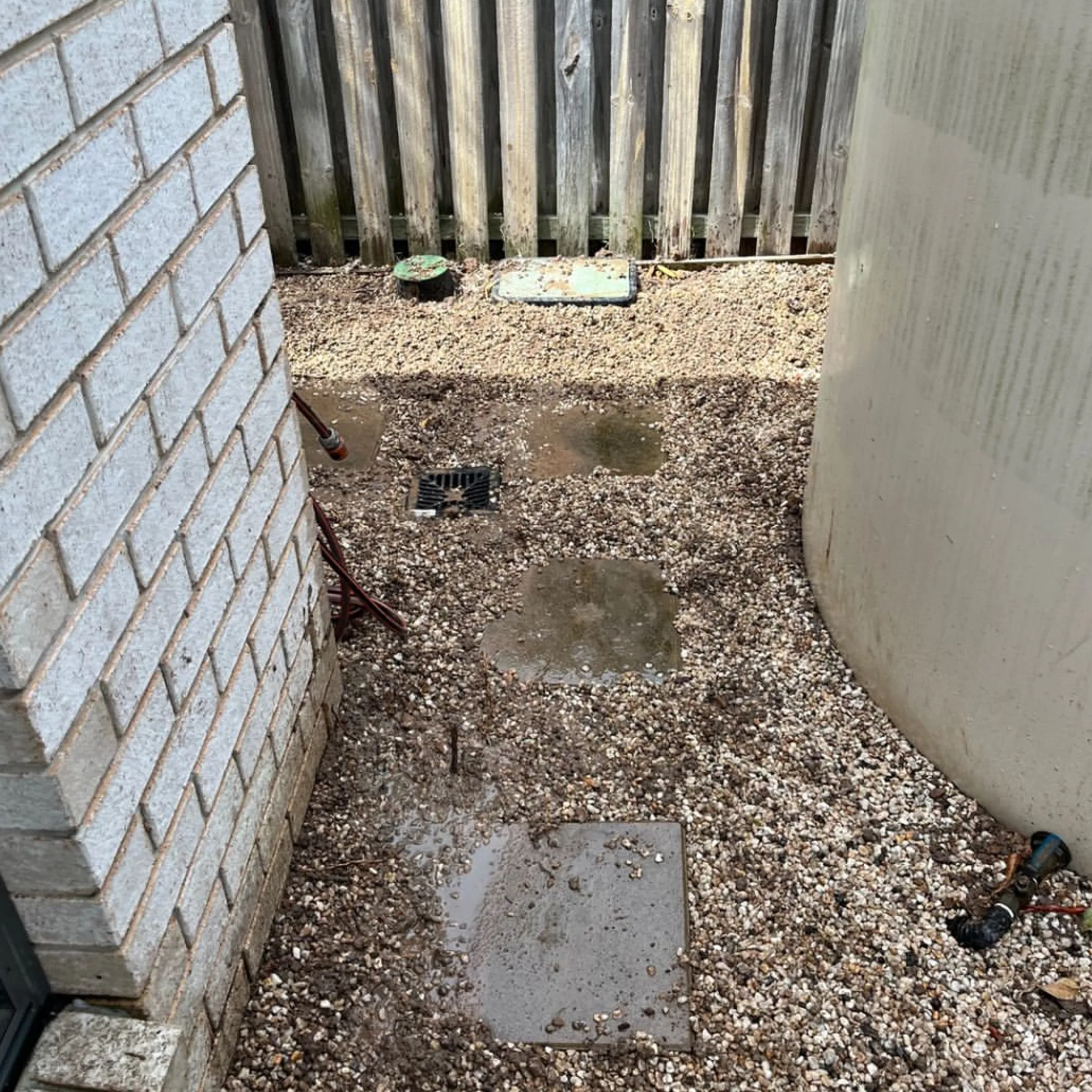
A drain grate is there to keep larger debris out of the underground system, yet it is of no use if one cannot see it. After a wind has been up, put in the time to get rid of any mud, leaf litter, mulch, seed pods or grass clippings. A grate under a layer of garden soil is not a functioning drain, it is an invitation for a plumber’s phone call.
Then there are the pits. They will gather silt and sediment even if the surface looks in order. Don your gloves and by hand put the loose matter into the general or garden waste as local regulations dictate. Under no circumstances should you be washing sludge down the pipe; the sludge will just make its way downstream and clog the next bend.
Controlling the Garden
Where you can, have the beds in the garden sit a little lower than the drain openings and do not put loose mulch on top of a grate. In dry times tree roots are drawn to moisture and will find their way into a cracked pipe or a bad joint. Check with the council before you do away with or put heavy pruning on large trees.
Should you come across roots in a pit, resist the urge to douse them with chemical root killer in the drain. The chemicals are bad for the environment and add to stormwater pollution. Let a plumber determine if they are superficial or a sign of a more serious failure in the pipe.
Dealing With Minor Blockages
For a blockage that is minor and at hand one can clean the stormwater drains. Not so if the water is of a contaminated nature, there is electrical gear about, the pit is of some depth, the grate will not budge or the obstruction seems to be under a building or driveway.
Proceed from the highest point you can get to down to the outlet. Put a camera to it first to document things, especially where a council asset or shared easement is in question. One does not go into an underground pipe or drain pit; the confined space may have unstable walls, gases, snakes or unclean water.
A Method to Follow
- Isolate any electrical equipment and put away hoses and pumps in the vicinity of standing water.
- The grate comes off provided the cover is sound and it lifts without trouble.
- Gloves and a small tool will see you remove the leaves and other detritus.
- Let some clean water through and observe the level dropping and the outlet running. If the pipe gurgles, the water backs up or the blockage reasserts itself, leave it be.
You might run a garden hose over loose material at the surface but high pressure jetting is another matter. It has a way of putting debris in a new place, letting dirty water loose or revealing damage to PVC. Leave such work to professionals with the right equipment to judge the pipe.
On Stormwater Pollution
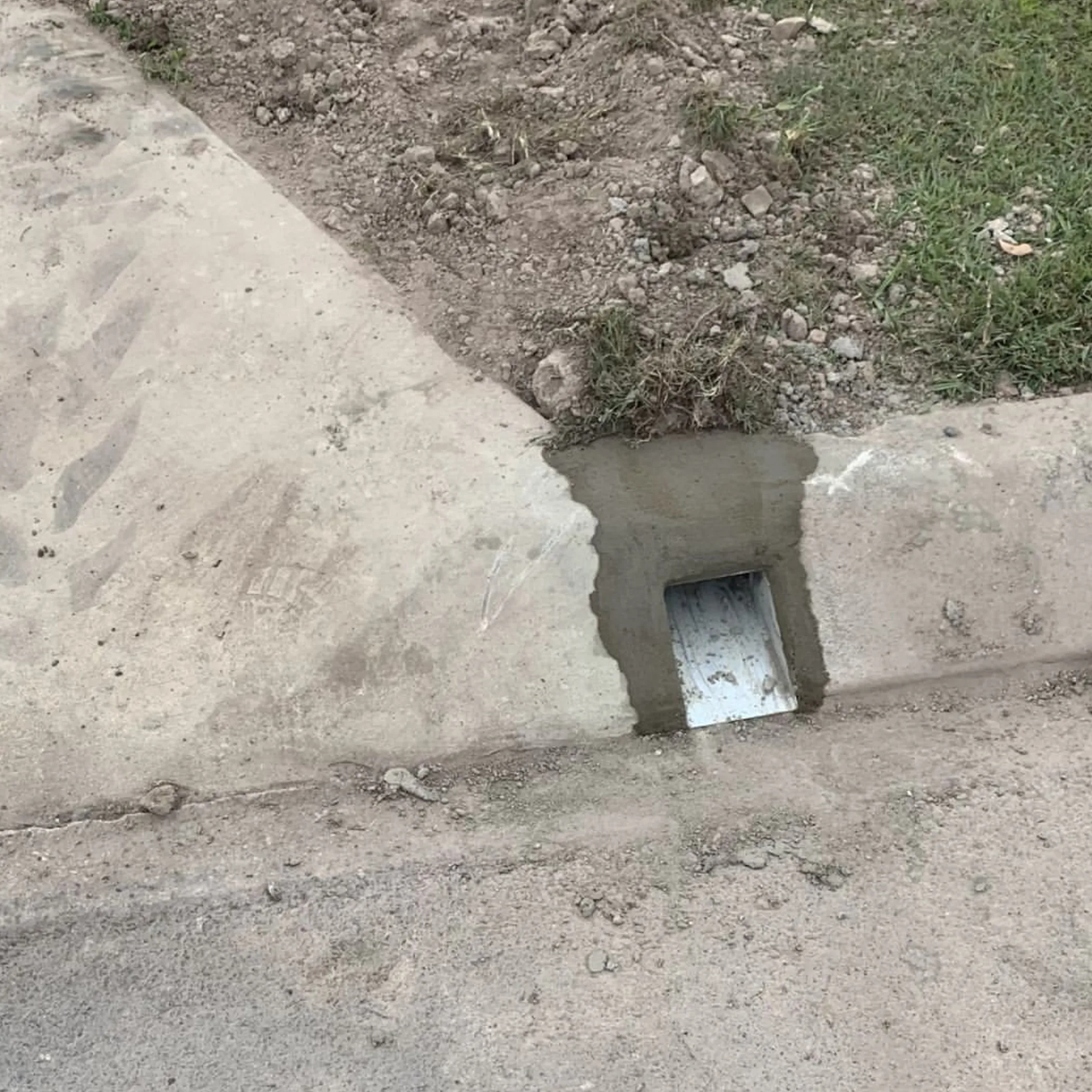
What goes in the grate can end up in the river, creek or beach with little treatment in between. Paint, oil, cement slurry, pet waste, fine dust from building work and the like are all carried beyond your property line. Do not consider rainwater a handy means of disposal, it is part of the local cycle, regardless of how the drain looks. So keep household rubbish, grass clippings, plaster, concrete wash water, strong detergents and pesticides out of it.
What You Think and What Is
One might think a liquid will be taken care of by the grate. But these are for surface runoff and rain, not for trade or household waste. When renovating, adhere to the council’s requirements and wash your tools in a controlled spot.
It is also wise to know the difference between a sewer and a stormwater problem. An overflow in the former is a health risk with wastewater, the latter is more a case of rainfall and sediment causing flooding. As the symptoms are similar, do not start handling water or opening inspection points unless you are sure of the system.
Underground Indicators
A neat grate gives no assurance the pipe below is clear; some problems are concealed under the lawn or paving. Give it a look after a rain, the pattern will tell you more.
Be on the lookout for foul odours, sinkholes, green growth where a pipe runs, wet spots in dry ground, or water that lingers. Bubbling at the grate could mean a partial blockage, trapped air or a connection that has given way.
Make Note of It
After a storm, photograph the area from the same vantage point and record the date and how long the water stays, along with the rainfall and where it was. A plumber will want this kind of evidence to tell a local blockage from a capacity or fall issue.
Putting soil over a wet patch is not the way to put an end to the problem; it only serves to conceal what is there and could well be channelling water in the direction of the house. In the event of a major flood, stay clear of any rapidly moving water, do not attempt to drive on flooded streets and put in a call to emergency services should there be any risk to persons or property.
When To Make A Plumber’s Call
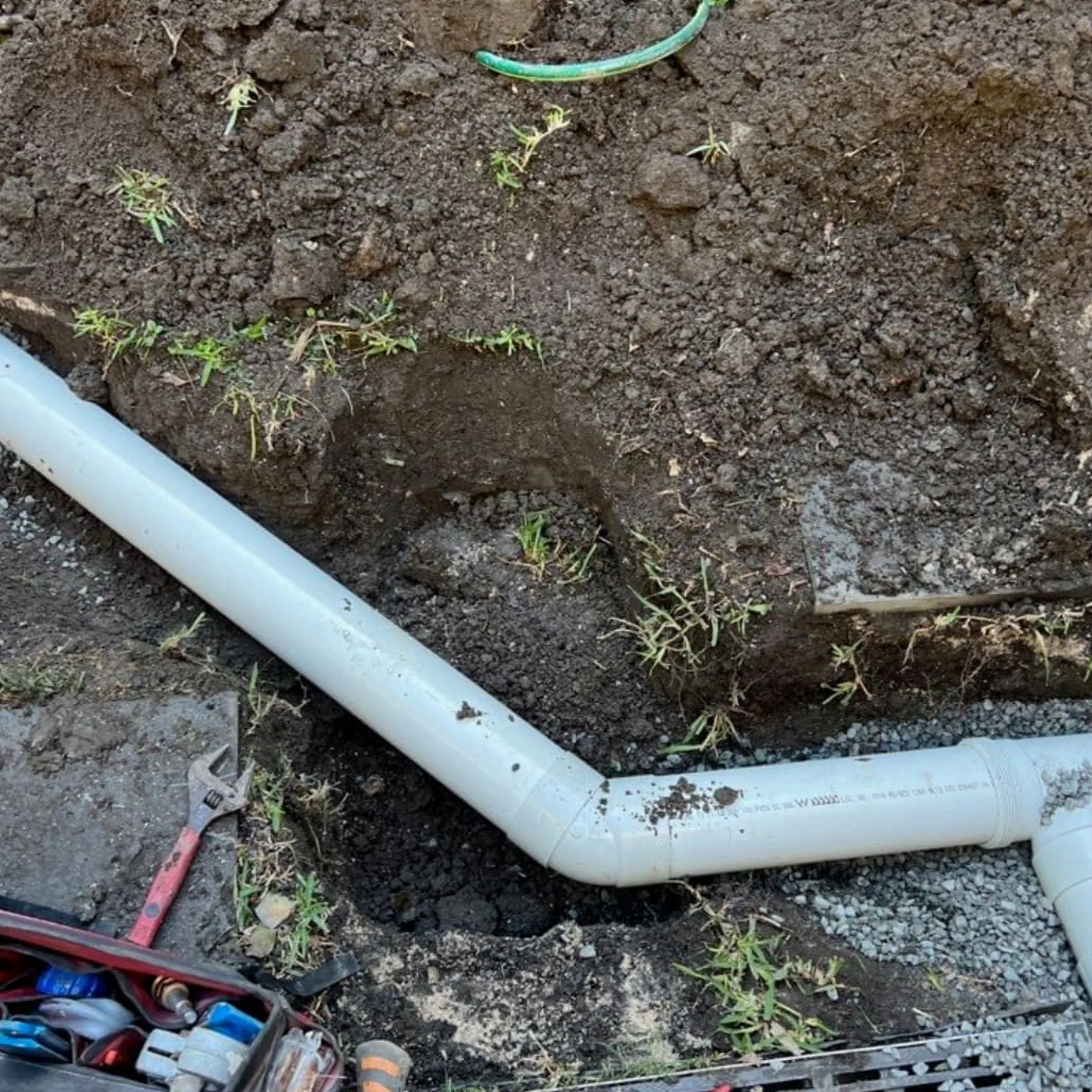
An underground blockage, one that keeps coming back or is due to tree roots, or anything under a slab, driveway or retaining wall warrants a licensed plumber. A professional will have the means for stormwater pipe maintenance, be it with an auger, high-pressure jetting or a CCTV drain inspection to find the fault prior to any excavation.
A good CCTV inspection will turn up root intrusion, construction debris, displaced joints or a collapse. Repairs from there might be a matter of patching, relining or replacing the pipe after excavation. But since relining is not always called for, make sure you are told what the inspection has revealed and the reason for the recommended course of action.
Selecting The Service
A local drain cleaner can handle a blocked grate on its own. Yet for work in the vicinity of public infrastructure, damaged pipes below ground or persistent flooding, engage a plumber who knows the local drainage rules and holds a licence. Get the scope in writing along with details on access, disposal and if council sign off is needed.
Costs in Australia are hard to pin down and will differ with the location and timing. You may put aside AUD 100–250 for a straightforward inspection but figure on several hundred or even thousands of dollars for the likes of jetting, relining or excavation. Consider them ranges for your planning purposes, not a quote; a weekend job or hard to reach area will add to the bill as will an emergency.
Matters Of Rule And Responsibility
Drainage in Australia is governed by building and plumbing rules, easements, environmental obligations and the like. AS/NZS 3500.3 is the standard one thinks of for stormwater in Australia and New Zealand but a licensed professional or the authority can put you right on the current edition and what applies.
As for how deep a pipe should be, there is no national rule to cover all cases. It is a question of the ground, vehicle loads, the size of the pipe and approvals among other things. Do not be under the impression that a pipe is sufficiently deep for a new retaining wall or driveway just because it has withstood the rain in the past.
In Victoria it is usual for the homeowner to see to the stormwater assets on his property in accordance with the documents and the local authority. In N.S.W. the onus for runoff to a neighbour may rest on the source, land levels, development and council controls to name a few. One would be wise to take advice that is specific to the location instead of a generalisation.
The AS/NZS 3500.3 listing is a place to start for the technical standard, though there may be a charge for access and you still need to check on local approval.
A Day For Checking
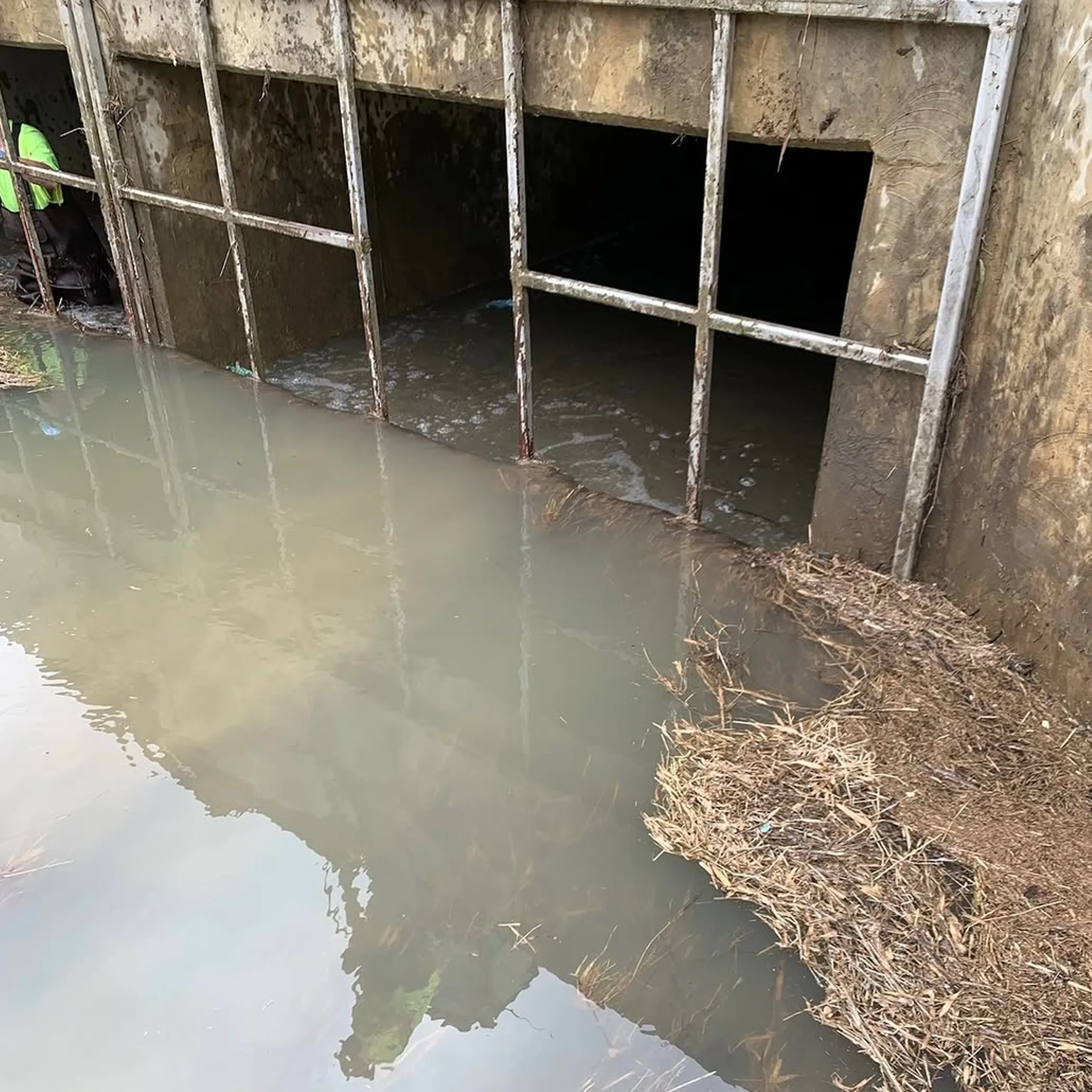
Make a dry morning of it with plenty of light and spare some time if it has been windy. Put first the gutters, downpipes, low grates and pits that are prone to overflow. See that the water is doing what it should before you leave the area. This is a sensible routine for a homeowner to carry out where he can safely get at the ground level components. Beginners would be ill advised to put their hands on roofs, do structural excavation or work with electrical hazards, contaminated water and deep pits. In such cases one should engage a professional and have photographs and property plans at the ready, together with any record of flooding.
| Area | What To Check | Typical Effort | Escalate When |
|---|---|---|---|
| Gutters | Leaves, rust, overflowing joins, sagging | 30–90 minutes | Where the roof is of a height or pitch that is unsafe |
| Downpipes | Poor discharge, blocked elbows, loose connections | 20–60 minutes | Underground back up of water |
| Drain Grates | Visible sediment, grass, mulch, leaves | 15–30 minutes | A grate that is stuck or has broken |
| Drain Pits | Damaged covers, root growth, silt and sludge | 20–60 minutes | Pit is unstable, contaminated or too deep |
| Underground Pipes | Wet ground, blockage that keeps coming back, slow flow | Professional assessment | Have a specialist repair or CCTV inspection done |
Frequently Asked Questions
We put forward the questions most likely to trip people up. Do not rely on appearances to decide who is responsible for drainage; have your local council details and property papers close by.
What Are The Australian Standards For Stormwater Drainage?
For plumbing work in this area AS/NZS 3500.3 is the standard of reference in Australia and New Zealand. But what is required will be a matter of where you are, how you make the connection, the project itself and prevailing rules. A licensed plumber can tell you what provisions apply prior to a major repair or new installation.
Who Maintains Private Stormwater Drains In Victoria?
As a rule the owner of the property will see to the stormwater components on his own land, be it private pipes, downpipes, gutters or pits. Then there are easements, council assets, shared connections and boundaries where responsibility is different. Before shelling out for work on a section in dispute, consult the title and drainage plan as well as the local authority.
How Deep Are Stormwater Pipes In Australia?
You will not find a depth that applies across the board. It is dictated by the design, soil, ground levels, size of pipe, traffic loads and so forth. One would do well to get some expert opinion and use a service locator before any excavating or putting in posts over a pipe you think may be there.
In NSW, Am I Responsible For Runoff Entering My Neighbour’s Property?
It is a question of the facts. Unlawful discharge, building work, blocked drainage or changed ground levels are viewed differently from natural overland flow. Make a note of the flow in wet weather, do not purposefully put water in the direction of the boundary and put the matter to a drainage professional or the council.
Can I Put Chemicals Into A Blocked Stormwater Drain?
Not advisable. Such products are no good for a stormwater system and can be damaging to the pipes, the soil, waterways and people. Clear away any debris you can or let a licensed plumber put the right equipment to it.
Finish With A Simple Routine
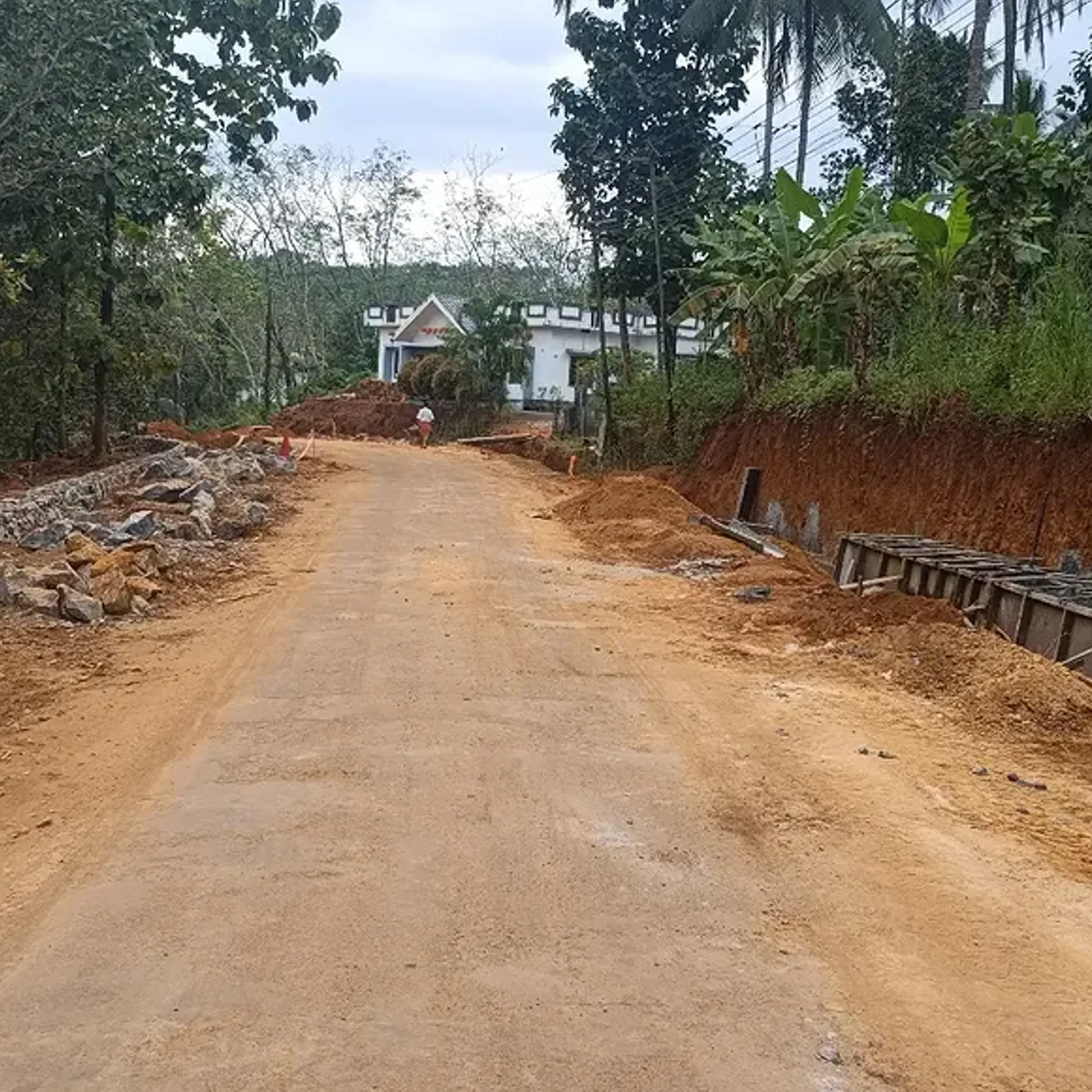
There is nothing extraordinary about keeping your stormwater drains in order, provided it is done before it is an emergency. After a rain go and see how the water is running, clear the gutters and uncover grates, check the downpipes and put in any sediment. Make a point of doing the same after a big storm or ahead of the season when the home takes its heaviest weather.
I have seen enough of the coastal homes in and around Fremantle to know that the little things are telling. An overflow in the gutter, a damp spot or a pit that is running slow are early warnings. Attend to them and keep the stormwater clean. Should the issue go below the surface then call in a licensed plumber.
